Assessing the Environmental Impact of Kodiak Tractors
Let's examine the environmental impact of Kodiak tractors. Currently, comprehensive data on their sustainability features is limited, hindering a definitive assessment. This article explores the potential for Kodiak tractors to contribute to sustainable agriculture while acknowledging significant information gaps. A complete evaluation requires further transparency from the manufacturer. For comparison, see reviews of similar tractors here.
What We Know (and Don't Know)
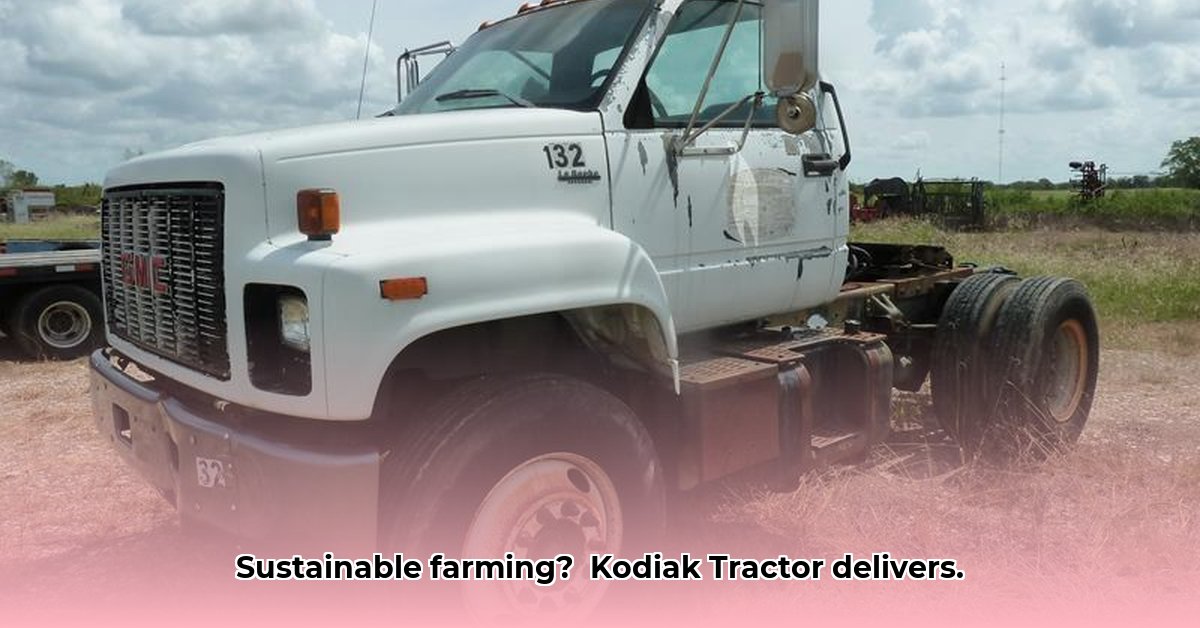
Kodiak tractors are available for purchase, indicating their presence in the agricultural sector. However, crucial details regarding fuel consumption, emissions, and manufacturing processes remain largely undisclosed. This lack of transparency makes it challenging to definitively assess their overall environmental footprint. The available information is analogous to judging a book by its cover—the cover suggests agricultural application, but the content (sustainability features) is unknown.
Sustainable Farming: A Multifaceted Approach
Sustainable farming prioritizes resource efficiency (water, fuel, fertilizer), pollution reduction, and soil health. To ascertain Kodiak's contribution, we need data on several key aspects:
- Fuel Efficiency and Emissions: Lower fuel consumption directly reduces greenhouse gas emissions, a critical factor in sustainable agriculture. The absence of specific data on Kodiak's fuel economy and emissions prevents a meaningful comparison with competitors.
- Durability and Longevity: Longer-lasting tractors reduce the need for frequent replacements, minimizing waste and associated environmental impacts. Information on the durability and lifespan of Kodiak tractors is currently lacking.
- Manufacturing Practices: The manufacturing process itself has a significant environmental footprint. Data on material choices, energy efficiency in production, and the adoption of eco-friendly manufacturing practices are necessary for a complete assessment. This information is currently unavailable.
The Need for Transparency: A Call to Action
To gain a clearer understanding of Kodiak tractors' sustainability features, increased transparency from the manufacturer is crucial. This includes:
- Detailed Specifications: Publicly release comprehensive data on fuel efficiency, emissions, and materials used in manufacturing.
- Independent Verification: Commission independent, third-party testing to validate claims and provide objective data on environmental performance.
- Real-World Case Studies: Share case studies showcasing Kodiak tractors' role in sustainable farming practices from farmers who utilize the equipment.
- Regular Sustainability Reports: Publish regular reports detailing the company's sustainability initiatives and progress towards environmental goals.
Key Stakeholders and Their Roles
Collaboration is key to promoting sustainable agriculture. The following stakeholders have crucial roles to play:
- Kodiak Tractor Manufacturer: Proactively share detailed sustainability data, conduct regular environmental audits, and invest in R&D for eco-friendlier technologies.
- Farmers: Research the environmental impact of farm equipment, prioritize fuel-efficient and low-emission models, and adopt responsible farming practices.
- Environmental Organizations: Advocate for greater transparency from manufacturers, promote independent research, and advocate for policies supporting sustainable agriculture.
- Government Regulators: Implement stricter emission standards for agricultural equipment and incentivize the adoption of sustainable technologies.
How to Assess Kodiak Tractors' Sustainability: A Framework
A holistic sustainability assessment requires a multifaceted approach, encompassing fuel efficiency, durability, manufacturing practices, and technological advancements. Currently, the lack of data significantly limits a comprehensive evaluation. However, through a concerted effort to prioritize transparency and data sharing, the true sustainability impact of Kodiak tractors can be determined. This will allow for better informed decisions by farmers, and will contribute to a more sustainable agricultural future.
Key Takeaways:
- Determining the true sustainability of Kodiak tractors demands comprehensive data on multiple factors.
- Transparency from the manufacturer is paramount for credible sustainability assessments.
- Collaboration among stakeholders—manufacturers, farmers, environmental organizations, and regulators—is essential for promoting sustainable agricultural practices.